Category Archives: Uncategorized

Can central heating cause carbon monoxide?

woman changing the temperature on a thermostat

What is forced air heating vs central?

Who says it never gets cold in California? Even California homeowners need their central heating repaired and ready to go on those cold winter nights. And sometimes with central heating, a homeowner can do their own repairs if they know a little bit about how central heating works, saving that service call expense. However, there are still a lot of things to know before trying that.

With a central heating system, there is a central location where the heat is created. It is then distributed through the house. A forced-air heating system is what we know as an HVAC system where the heat is circulated through air ducts and vents, maintaining the temperature control desired. 

But before we discuss how central heating works, let’s discuss the difference it makes if central heating is gas or electric. For the sake of this article, we’ll use electric-powered central heat for the basis. An electric heat system and a conventional gas forced-air furnace are similar with the exception being that the heat is produced by electric heating elements and not gas burners. 

There are specific circuit breakers assigned to the central heat system that control those heating elements. A common central heating repair is replacing those heating elements. Electric-resistance heating works along the lines of a blow dryer. When the electric heating elements are heated up, the heated air is blown through the ductwork to warm the house. 

Why is my central heat blowing cold air?

The central heat system is taken for granted most of the year in California. But when the central heating is not working right, either because it’s blowing cold air or not blowing at all, it is time to find the problem. It may also be time to call for a professional central heating repair service, though you should do that after you have tried the following things to do your own central heating repair: 

  1. Check FAN setting on the thermostat: This setting controls the blower that circulates the warmed air through your home. When it is set to ON, the blower will run continuously, even if the furnace isn’t heated. So, for a central heating repair, the first thing to do is check that the fan setting is on AUTO. This will ensure the blower is only running when the furnace has heated up. 
  2. Check the air filter: If the air filter is dirty and clogged, it blocks the airflow across the heat exchanger. This will overheat the exchanger, trip the safety switch, and the furnace burners shut off. For a DIY central heating repair, turn the furnace off at the thermostat, and inspect the air filter. If it is dirty, clean it or change it. 
  3. Check the pilot light: If you have a gas-powered furnace, check that the pilot light is lit. If it is out, you’re not going to get any heat until the pilot light is re-lit. For a DIY central heating repair to light the pilot light, take these steps. 
  • Step One: Turn the furnace off by turning the thermostat to the OFF position.
  • Step Two: Find the pilot light assembly, usually at the bottom, and reset the switch where there are three choices: Pilot, Off, and On.
  • Step Three: Turn the knob to “off” and wait 5 minutes for the gas to come down from the pilot.
  • Step Four: Turn the knob to the “pilot” position and press the knob in to re-start the gas flow. 
  • Step Five: While pressing the knob, hold a lighter or match to the pilot opening. A flame should light up in a few seconds. If you have a steady blue flame, you’ve got a working furnace and should proceed to the next step. 
  • Step Six: Turn the knob to the “on” position and the furnace will ignite.
  • Step Seven: Turn the thermostat to the HEAT and ON positions. The thermostat should be set at 5 degrees lower than the room temperature and hot hair should be blowing out now. If not, you’ll need to schedule professional central heating repair service. 
  1. Check your condensate line: One final thing to do is check for pooling or puddles of water around the furnace. If you find this, it is typically because the PVC condensation line is blocked. This will shut the furnace off. Typical reasons a condensation line is blocked are dirt, dust, ice, or mold built up in the line. You simply need to take the line off and clean it out to get things working again. Empty the condensation pan and clean it out. 

How long do central heat and air units last?

Most HVAC central heating systems have a lifespan between 15 years and 25 years. The exact lifespan can depend on the type of heating system, the maintenance you keep and how often you have professional central heating repairs and inspections performed. Other factors that can affect the lifespan of a central heating system and things that can reduce the lifespan of HVAC equipment include:

  • Defective or poor-quality components from the factory
  • Oversized or undersized system
  • Improper installation 
  • High usage 
  • Improper usage
  • Lack of proper central heating repairs
  • Corrosive or salty environment 

Do you know how to save money on central heating?

Your lifestyle is a big part of what will make a central heating system cost you money! Follow these eight suggestions and you’ll be surprised how much you’ll cut your utilities in a month: 

  1. Bundle up! Dress for the weather and wear a sweater while inside.
  2. Let the sun work for you by leaving blinds and curtains open on the sunny side of the house. 
  3. Bake and cook more at home.
  4. Lower the thermostat to 68. 
  5. Keep doors and windows closed, and make sure they are completely sealed. 
  6. Have the air ducts professionally inspected once a year to have them sealed up. 
  7. Use ceiling fans set to push the warmed air down.
  8. Rearrange the furniture so you’re getting the most sun during the day and not blocking vents. 

Is central heating bad for your health?

Central heat is notorious for drying out the air. This can cause the eyes and nose to dry out, and some people will experience nosebleeds, scabs, and a gritty feeling in their eyes. Adding a room humidifier or a humidifier to the system can alleviate those discomforts. However, one common worry – that central heating can cause problems with carbon monoxide – is generally not something homeowners will experience with central heating systems. But it is always a good idea to have a carbon monoxide detector in your home, no matter the type of heating system you have or other equipment you may be using. Better safe than sorry.

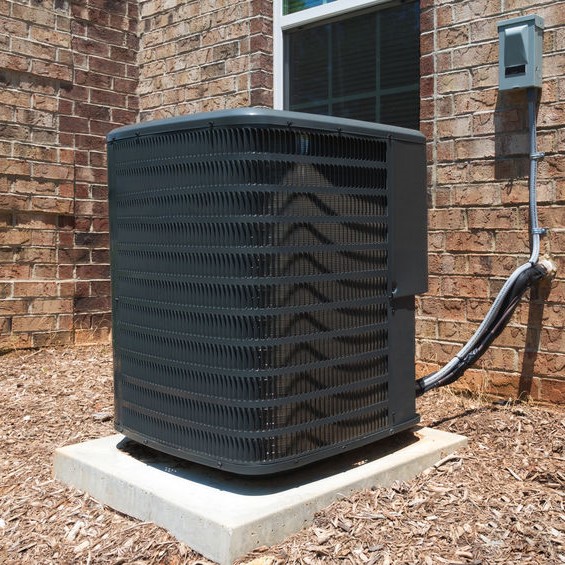
air conditioning units outside a home

A Final Word 

So which is better, a heat pump or central air? Today, the heat pump system is the more popular choice, even though it has a higher upfront installation expense. Ideal for moderate climates, a heat pump system will reduce energy expenses and minimize your reliance on natural gas or oil for power.

Is it time for a furnace upgrade?

woman wearing a heavy coat and shivering on her sofa

Is it time for a furnace upgrade?

A lot of people think California to be full of beaches, movie stars, sunshine, and warmth. What they don’t realize is that The Golden State does have some winter weather too. As a popular vacation destination, visitors may not know that the residents here sometimes need to worry about a furnace upgrade just like the residents in a northeastern state. 

Like a homeowner in Maine, homeowners here also wonder, “Should I replace a 20-year-old furnace? or “When should I upgrade my furnace?” By the time your furnace is 20 years old, it isn’t being as efficient as it should be, even if it is still working. Yes, if it is still working, its end of life is due at any given moment, including the first night the temperatures get cold enough to have the furnace on. 

To answer the question as to when should you get a furnace replacement, we offer the following list of indications of when it is time to get a furnace upgrade: 

Repairs

Are the repairs becoming more frequent and more expensive? If you’ve answered yes to either or both of these questions, it is time to seek a furnace upgrade. You may have another two winters, but the sooner you upgrade your furnace, the less likely you’ll be to wake up in the middle of a winter night cold. The basic rule of furnace upgrade is to look at the repair cost vs the upgrade cost. If the repairs are costing as much as 50% of what a furnace upgrade would cost, it is time. 

Heating Bill

Yes, the cost of utilities increases every year for all of us, but if your utility bill increases greatly from one winter to the next, it could be that your existing furnace is burning more fuel trying to keep up. You should review the matter and assess the cost of keeping the existing furnace versus the cost of a furnace upgrade by reviewing the efficiency rating. While a new furnace upgrade will cost more upfront, consider what it will save you over time with better and higher energy efficiency. 

 Weighing In the Factors

Along with the age, add up the repair cost and heating costs factors. You can’t just base this on one factor; you need to put them all together to get the best idea when to get a furnace upgrade. 

Can you upgrade your furnace blower?

Depending on how old the existing furnace is, it may not be the best idea to upgrade the blower. However, when getting a furnace upgrade, yes – upgrading the blower is a good idea, and often recommended. A variable speed furnace blower motor will improve the efficiency of the furnace, making the comfort of your home even better. It is more efficient than turning a blower motor off and on for regulating indoor temperatures.

When you go with a one-speed blower for your furnace, you get an overwhelming blast of heat when it’s turned on, and just as quickly it stops when you turn the blower off. With a variable speed furnace blower, it will slowly work its way up and down in speed to reach the desired temperature setting, keeping consistent without the massive fluctuation.

Is a furnace worth upgrading?

As we have covered here, there are a few factors that should be considered for a furnace upgrade – the age + the repair cost + the utility expenses. A furnace that has proper routine maintenance, including professional inspections every year, can give you between 20 to 25 years of service. Then it begins costing you more, as they say, “nickel and diming” your bank account until you are broke. 

At that point, considering the factors we’ve discussed, yes, it is well worth a furnace upgrade! You should work with a professional that knows how to upgrade furnaces, including guiding you toward getting the right one for your home and personal needs. 

How much does it cost to upgrade a furnace?

Several factors are involved in the cost of a furnace upgrade too. The brand and the model you choose will vary in pricing, some brands being more expensive than others. Then there is the factor of size, as you want one that will keep your home comfortable.

Like an air conditioner, you can choose one that is too large or too small. Then there is the factor if you need an electric or gas-powered unit. An electric furnace upgrade can cost between $2,000 and $7,000, while a gas furnace upgrade can cost between $3,800 and $10,000. 

As you begin your journey on finding the right furnace upgrade, you want to work with an expert that can answer the question, “What furnace do I need?” They should have some questions for you at that point, like what size is your home, is it single or multi-story, whether you have electric or gas connections, and of course, what’s your budget?

technician upgrading a furnace

Wrapping It Up … 

Are new furnaces more efficient? Absolutely! Like anything in our everyday lives, technology has improved furnaces too. There are several furnace replacement options to choose from as well, and of course, your budget will factor into some of the furnace upgrade options available to you.

In an existing home, you may already be set up for electric or gas-powered units, but there are options available to change from one to the other, though at an additional expense. Then there are the blower motor options we mentioned earlier and of course the capacity of a furnace upgrade. With the right professional, you can make the right decision – one that will keep your family and home warm on those chilly nights.

Why is my air conditioner running but not cooling the house?

Woman sitting in front of a fan.

Identifying Common AC Cooling Issues

Not only is it sunny in California, but it can get downright hot and humid too! This is why working air conditioners are important to businesses and homeowners. What a homeowner is often quick to learn is how important air conditioner refrigerant is to keep that cold air blowing. An AC without refrigerant isn’t going to do anything but blow warm air, and eventually, if you keep trying to use it, the unit will burn up. 

Before you panic and make that phone call for an AC technician, you can check your system yourself. Sometimes when an air conditioner stops cooling, it is something simple that doesn’t require any air conditioner refrigerant charging. How do you troubleshoot a home air conditioner?

The following are things you should check yourself before making that phone call that could end up costing you hundreds of dollars.

Check the Air Filter

A dirty air filter can cause several problems and left unaddressed, can actually lead to damaging the entire system. This should be getting changed every 30 days to keep the following from happening: 

  • Low airflow
  • Frozen refrigerant lines 
  • Frozen evaporator coil 
  • AC condensation overflowing the drip pan
  • Inadequate cooling, creating hot/cold spots and keeping AC from reaching the desired temperature setting
  • Energy bill increases
  • Total equipment failure

Replace the air filter whether it looks dirty or not.  Make a note to change the filter every 30 days regardless of whether it looks dirty. This is a good time to replace the batteries in your smoke alarm too.

Check the Thermostat Settings

This is the simplest of any possible DIY fixes. A thermostat on the wrong settings will cause the following: 

  • Only warm or hot blowing out of vents
  • Air conditioner not turning on

Check the thermostat switch is on “cool” and not heat. This problem is common at the first of summer when the weather is changing. Somebody may have accidentally switched it while dusting too, so it is always worth checking. 

Check the Circuit Breakers

This could be a simple fix when the circuit breaker flipped off that is keeping your AC from turning on. It could be a power surge in the area that caused it. If you flip it back on and it flips right back off, you need to call a professional AC technician or electrician. There could be something more serious with the electrical part of your HVAC system or it could be your system needs air conditioner refrigerant. This is something the technician can check and determine. 

Check the Outdoor Unit

An outdoor unit that is clogged with debris, grass, weeds, etc., or just simply dirty from outdoor exposure can cause the following: 

  • Energy bill increases
  • Warm air blowing from air vents
  • AC isn’t cooling adequately
  • Repairs needed too frequently

Check the outside unit of your air conditioning system. Rinse it off using the garden hose on a gentle spray. If you see dirt inside the unit covering the condenser, call your AC technician. Make sure any debris, grass, trash, and weeds aren’t sucked up against it. Keeping fences and foliage a minimum of 2 feet away from the outside unit is recommended. Check that  the air conditioner refrigerant line insulation is still intact as well.

Check All Air Vents

When the air vents are closed off or blocked, they can cause problems like: 

  • The AC has to struggle to cool 
  • Refrigerant lines freeze up
  • Evaporator coil freeze up
  • AC condensation overflows the drip pan
  • Damages compressor
  • Blower motor stops
  • Air ducts begin leaking, causing higher energy bills 

Walk through your home and open all air supply vents, even in empty rooms. Make sure drapes, furniture, or rugs are blocking the return vents. Homeowners often think that closing the vents in an unused room is an energy saving step, when in fact, it causes the AC system to work harder – and that reflects on the energy bill. 

How do I fix my AC if it’s not blowing cold air?

We just reviewed some common issues, many of which you can take care of yourself without calling a professional service technician. Let’s recap those things again that could help you get your AC blowing cold air: 

  • Power issues – make sure the unit is plugged in and the circuit breaker is flipped on. 
  • Thermostat issues – Make sure the thermostat is set “on” and “cold”. Replace the batteries. Remove the cover and blow any dust out with canned air or a hair dryer on “cool”. 
  • Clogged or Dirty Filter – Replace the AC filter. Some systems will automatically shut down when the filter is dirty so the motor doesn’t overheat.
  • Ice buildup – A dirty filter, frozen coils or refrigerant lines can cause ice to build up inside the unit. Replace the air filter and then run the system on “fan only” for a while and let it melt the ice off. If this doesn’t fix it, your system may need an air conditioner refrigerant charge and that will require a service call. 
  • Clogged condensation drain – As an air conditioner removes moisture from your home, that water drains through a hose and into a drain pan. The hose could be clogged, which will cause the system to shut down as a safety measure. Try to clean the hose out with a mild solution of bleach and water. 
  • Dirty compressor – The exterior portion of your AC system can get covered with dirt and dust, grass, trash, and weeds can get sucked up against it and cause the unit to shut down. Check around it and remove anything that could be blocking air flow. 
  • Low refrigerant levels – Refrigerant for ac units doesn’t evaporate or get bad. When an air conditioner refrigerant charge is needed, typically it is because of a leak somewhere within the system. The only solution for this is to call an AC technician. They have the equipment to check the air conditioner refrigerant and the authority to purchase more if needed. 

How do you know your AC needs refrigerant?

A few common indicators that your system needs air conditioner refrigerant: 

  1. Air conditioner constantly runs but the house isn’t cool. 
  2. Warm air blowing from the vents.
  3. Electric bills are higher than before.
  4. There is a buildup of ice on the refrigerant line.
  5. The refrigerant line has bubbles coming from and hissing sounds.

How do I find a leak in my AC?

This is something that should be done by a professional air conditioning technician. There are two ways you can check for a leak, with one being obvious – by looking for dirty, oily spots on the lines or around the unit. Refrigerant is an oily substance and if it is leaking, you’ll notice the oily marks. 

Another method is to mix dish soap with water and spray it on areas that you suspect are leaking. If there is air conditioner refrigerant leaking, it will blow soap bubbles there. Again, we must stress that the best way to find out if your system is leaking air conditioner refrigerant is to schedule a service call with a licensed professional contractor. 

Can I put refrigerant in my home AC?

Physically, with the proper equipment and tools anyone with a mechanical sense can install their own air conditioner refrigerant. However, legally, you cannot purchase the refrigerant needed. The EPA has established laws that prevent everyday citizens from purchasing air conditioner refrigerant. Only certified and licensed contractors are permitted to purchase the product. 

Woman relaxing underneath an air conditioner vent.

In Conclusion 

You may wonder why you can’t do your own air conditioning install or charge your own air conditioner refrigerant. Is air conditioner refrigerant harmful? Yes, the substance that is used as air conditioner refrigerant is a tasteless, semi-odorless gas. When this gas is deeply inhaled, it cuts off the oxygen to the brain and lungs. This is why the EPA has established strict laws to who can purchase and use this gas. In the wrong hands with lack of knowledge, it can be deadly. If you find yourself in need of help refilling or replacing your air conditioner refrigerant, you can reach out to the A 100% Guarantee Heating and AC team by calling 707-689-5128.

What Causes Bad Indoor Air Quality?

indoor air quality

What are common indoor air pollutants?

Gone are the days when we would get home after a day at work, school or running errands and relax in our home, breathing clean air. Today, the EPA, Environmental Protection Agency, tells us that our indoor air quality is as bad, if not worse, than the outdoor air quality. 

How did the indoor air quality for homes get worse than the smog and other elements outdoors? Is indoor air more polluted? Yes, with extensive research, the EPA has determined that we have two to five times more pollutants destroying our indoor air quality than there is affecting the outdoor air quality. In some instances, even 100 times more! 

Our indoor air quality is affecting by cooking residue, fungal spores, paints, varnishes, and more. Other matters that could be lowering the indoor air quality in your home, school, and workplace are: 

  • Asbestos
  • Carbon Monoxide (CO)
  • Cookstoves
  • Formaldehyde/Pressed Wood Products
  • Lead (Pb) 
  • Pesticides
  • Radon (Rn) 
  • Secondhand Smoke
  • VOCs
  • Wood Smoke

What affects indoor air quality?

In addition to the things we listed above, other factors that is affecting our indoor air quality, is the air exchange rate, occupant behavior,  outdoor climate, and the weather conditions. Of those, the indoor air exchange rate with the outdoor air is important. 

The air exchange rate is affected by the construction, design, and the operating parameters of a structure. These all ultimately have a contribution to the infiltration of air flowing through cracks, joints, and other openings of ceilings, floors, and walls. When the air exchange isn’t adequate, it lowers the indoor air quality. 

How does indoor air quality affect our health?

The EPA has warned that the indoor air pollution issue is in one of the top 5 environmental risks to us today. With the well debated subject of climate change, along with increased humidity and precipitation, the indoor air pollution is exacerbated and promotes indoor mold growth. In conjunction with the bacteria, bio contaminants and dust mites, we shouldn’t be surprised at the growing number of people with allergies. 

Indoor air pollutants are to blame for many that suffer with irritated eyes, nose, and throat. More of are complaining and suffering from dizziness, fatigue, and headaches, and anyone with asthma or other respiratory issues suffer even more. The poor indoor air quality of today has added to chronic health issues like cancer, heart disease, and other respiratory diseases like COPD. 

How do you test air quality in your home?

For the DIY homeowner, here are three indoor air quality tests you can perform: 

  1. Carbon Monoxide
    This is an odorless gas that fireplaces, furnaces, grills, water heaters and other gas appliances emit. If the carbon monoxide is leaking and builds up, it is poisonous to humans and animals. A carbon monoxide detector will alert you to a dangerous high level of CO in your home.  
  2. Radon
    This radioactive gas is the 2nd leading cause of lung cancer, testing for radon in the home is wise. A naturally occurrence from uranium breaking down in the soil and then seep inside your home, it becomes a silent poison.  There are at-home radon test kits available at local home improvement stores. You can also get kits at a discount from the National Radon Program Services.
  3. Allergens and Other Pollutants
    There is a device called “Speck” that will monitor common pollutants inside a home. It measures the levels of harmful particles so that you can determine what you need to change in your home to reduce those contaminants. A reputable indoor air quality company will have this or a similar device. 
dirty air filter

Learning What and How to Fix Indoor Air Quality

Apparently, we have all contributed to the problem with our own indoor air quality, and we’re all wondering now, “How can I improve indoor air quality?”. The newer your home, the more likely you are having more indoor allergens and irritants affecting your family.  Here are 3 suggestions on how to improve your home’s indoor air quality: 

Keep the floors clean and fresh.

Allergens and chemicals accumulate in your household dust. Using a HEPA filter loaded vacuum cleaner, those toxins and others are reduced.  Those other toxins include fire-retardant chemicals marked with ‘PBDEs’, the pet dander and dust mites. Mopping will get what your HEPA filter vacuum doesn’t, and you just need plain water with and a microfiber mop and dust rags. Keep a doormat at every door to catch what is on everyone’s shoes. 

A healthy humidity level. 

 Nothing loves moisture more than dust mites and mold, so keep that moisture down to a level of 50% humidity and those allergens will be kept in check. A dehumidifier will reduce  the indoor air moisture and control the allergens too. A few ways you can dehumidify your home: 

  • Crack windows while cooking and use the exhaust fan.
  • Crack windows and use exhaust fan while bathing or running the dishwasher.
  • Be careful with overwatering your houseplants.
  • Make sure the clothes dryer is vented to the outside.
  • Fix plumbing leaks inside and outside, especially under the house.
  • Check the  HVAC drip pan and empty it on regular basis. Indoor air quality and hvac systems are not best friends! 

No Smoking Zone

Every home should be  a no-smoking zone when there are asthmatic or respiratory patients.  Secondhand smoke is the single most damaging factor to indoor air quality.  With over 4,000 chemicals, a child subjected to 2nd hand spoke has an increase in developing ear infections, respiratory infections, asthma, and has been associated with cancer, and SIDS (sudden infant death syndrome). Call 707-689-5128 today for your indoor air quality testing in Vacaville, CA.

Do whole house air purification systems work?

air purifier in living room

Keeping your air clean

While the smog in California makes the outdoor air unhealthy, believe it or not, the indoor air quality of your home isn’t much better. Think of all the cloth, electronics, plastic, wood, and other materials in your home. Consider the cleaning supplies you use, including your laundry detergent. All of these are emitting chemicals and such in the air that can be as harmful as the pollution from cars. This is why so many homeowners are purchasing a whole house air purifier

An air purifier is good for health has become a popular trend among homeowners. They’re buying individual units to place in specific room and they’re having them installed with the new or upgrading their HVAC system. Long with the whole house air purifier, many are adding a humidifier too. What is the difference between the air purifier vs humidifier, do you need both? Or do they do the same thing? 

The difference between a whole house air purifier and a humidifier is simple. One cleans the air, and one adds moisture to the air. By their names, it easy to tell the difference: The “air purifier” cleans the air and the “humidifier” adds moisture to the air. 

For a more detailed answer, a whole house air purifier cleans the air in your home by removing or inactivating any pollutants from the air with two basic components. With a fan and a filter, typically a HEPA filtration technology or the new PECO technology, an 

Air purifier can remove dust and pollutants that get trapped in the filter as air from the house passes through it, then sends it back into the house, clean and clear. 

A humidifier boils water takes the steam that creates and add it to the air using ultrasonic technology that vibrates water droplets. There are some  humidifiers that use a fan and wick to evaporate the water. A downside to the ultrasonic type of humidifier is the tiny mineral particles they may introduce into the air, so it is recommended to use only distilled water and not tap water. Either type of humidifier should be cleaned and disinfected on a regular basis. 

Do I need an air purifier for each room?

A professional air quality expert will recommend a whole house air purifier, however, not everyone can afford this means of improving indoor air quality. So we go with the individual, portable air purifier. There are two factors that should be considered in determining if you need one for every room in your home: 

  1. The Square Footage: Your home’s square footage relates to the volume of air that is to be cleaned.
  2. The Air Purifier Capacity: This relates to the amount of air the unit can clean.

So, no, you may not need an air purifier in each room if you choose an air purifier that has a large square foot capacity. Or you can choose to go with a whole house air purifier, then every room will benefit from having clean, purified air.  

How long does it take for an air purifier to clean a room?

A portable room air purifier will take between thirty minutes and two hours to purify the air in the room, with a difference noticeable after the first 20 minutes. Remember, an air purifier is only as useful as it the air changes per hour), the brand and model, and the size of the room you place the unit. 

An average extraction rate is based on one hour and the amount of air it can clean. A HEPA air filter will run 15 minutes per air change, thus cleaning the air faster than a non-HEPA filter. Keep in mind that during the summer, there number of pollutants increase, so it will take a room air purifier longer to clean the air. 

Does whole house UV air purifier work?

Another confusion are UV air purifiers and whole house air cleaners. Each has a purpose with a UV light in that air purifiers have neutralizes microorganism that can be harmful as they spread and transmit.  A whole house air purifier remove tiny particles from the air supply. The UV light in a whole house air purifier does not remove any particles, therefore, they are not helpful in removing allergens. 

However, using both UV light and whole house air purifier will provide the best defense by cleaning the  air filtering it too. A whole house air purifier will miss some of the tiniest of tiny particles, the UV light kills any harmful microorganisms.

air purifier in bedroom

Are whole house air purifiers worth the money?

If you’re not sure the investment of a whole house air purifier is good or bad choice, an ongoing debate, we have advice to help you make that decision.  If everyone living under your roof  doesn’t haves any allergies or asthma suffers, or anyone that experiences frequent respiratory infections, then the benefits of a room or whole house air purifier probably wouldn’t be worth the investment. However, if you do make the investment, it doesn’t hurt either! 

Still, the question remains, are air filtration systems worth it? If there is even one person that lives your home that suffer from allergies, asthma, or has breathing issues like respiratory infections, can you put a price on their comfort and well-being? When you need air purifiers installed in Vacaville, CA, call 707-689-5128 today.

Is energy efficiency HVAC worth it?

HVAC systems

Keeping your home comfortable

Even in Northern California, residents like their air conditioning, and like everywhere else, they also want to save money with an energy efficient HVAC system. Business owners and homeowners are always looking for ways to make their building or home more way to have efficient energy for HVAC system that will lower their bills. 

When we waste energy for cooling and heating, it isn’t just a money loss, it also affects the environment. The more our air conditioning run, the more coal or fossil fuel we’re using, just adding to the already burdened global climate change. 

One of the first things any homeowner will ask is, “Is it better to run AC all day?” and ” What is the most energy efficient way to run air conditioning?”.  Because if you know you’re doing something wrong, you can correct it and hopefully cut that utility bill down, right? So, what is the best way to have an energy efficient HVAC system?  

These questions have been around as long as having air conditioned air has been around (or after that first electric bill anyway!). The bottom line to these never ending questions is: Your air-conditioning system is going to be a more energy efficient HVAC system when it  runs at full speed. 

Yes, you read that right. To run your HVAC system at a lower speed, it uses more energy, and it will dehumidify your house better too. So, set your thermostat a degree or two higher and let it run all day. You’ll actually save as much as 5% for every degree you bump up the thermostat, the recommended setting is 78 degrees.

During the summer when the temps are raising, try these things for a month or two and see if it makes any difference on your energy bill. If not, you may need to get quotes on a new energy efficient HVAC system: 

  • Programmable Thermostat – Yes, you’ve probably had everyone and their neighbor telling you to install a programmable thermostat, and guess what? They’re right, installing one of these, whether you have a older HVAC system or a new energy efficient HVAC, a programmable thermostat will do wonders for your electric bill. Set the time when you want the thermostat cooling, and it will do it automatically. 
  • Ceiling Fans – We know, this sounds like your parents from the 1970s, but you’d be surprised at how much air will move around with a ceiling fan in place. While the programmable thermostat is set higher, the ceiling fan keeps the air moving around so it doesn’t get muggy and stale feeling, and your home will still feel cooler. 
  • Plant Bushes – The south side and west side is where the heat hits the hardest. Planting bushes on both sides will minimize the heat getting to your home when the sun is blaring on those sides. 
  • Crosswinds – There is nothing better on a warm spring day or cooler summer days than windows open throughout the house. You shouldn’t open them all the way, you don’t even to open every window. Just a few so that you get a crosswind coming through the house. Experiment try different windows and see which give you the most crosswind benefit. 

How can I lower my AC bill?

It can get to the point of outrageous when it comes to the electric bill in the summer. You want to be comfortable but at the sacrifice of the family budget. Luckily, with these tips, you can save a few dollars on the electric bill and help get more energy efficient HVAC system while extending its lifespan too: 

Seal the Doors and Windows

You could be losing a lot of that cherished cool air conditioned right through the doors and windows, even if they are closed. If you can feel any draft on the outside around the edges  of the doors and windows, that is where your expensive cooled air is going. Make sure they are all closed and caulk any leaking areas. Installing mesh window screens, solar screens, and window film can knock out as much as 70% of the UV rays, keeping them out of you house. Even with the best energy efficient HVAC system, the cooled air will escape. 

Thermostat Placement

Programmable or old school, a thermostat installed on an exterior wall or by  a window will never have an accurate reading. That inaccurate reading will make your energy efficient HVAC system turn on prematurely and run more.  Schedule an HVAC contractor to come move your thermostat, which may cost a few dollars, but you’ll have that money back with a lower electric bill. 

Temperature Setting

Moving the thermostat setting up 2 to 3 degrees before you leave for a trip and you’ll save between 3% and 5% on your electric bill for every degree you move it up. Of course the programmable thermostat is the better way to do this, you simply program the days and hours you’re not home and it will automatically raise the thermostat for you. A money saver even with an energy efficient HVAC system.  

Avoid Heat

Summertime is vacation travel time and when you’re at home, it is cooking outside time! Use your grill as much as possible for cooking meals and you won’t heat the house up. Try hanging clothes and sheets to hang or do your laundry early in the morning before it heats up outside. Turn the dishwasher dry option off and dry the dishes by hand instead. 

Utilize What You Have

Keep the blinds and curtain closed on the sunny side of the house, use fans, especially ceiling fans, to stir the air up around your house. Get your basement finished out and spend the hottest part of the day down there. 

Plant Trees 

This won’t help your monthly electric bills this summer, but as those trees get bigger, they will eventually by reducing the sunlight that comes through the window. That will lessen the amount you need the air conditioning on and until your trees mature, use blackout curtains. 

Maintenance and Repairs

Even with the most advanced energy efficient HVAC system, if you don’t take care of it, it won’t  be the money save you need. Changing or cleaning the air filter every 30 day is a must to keep it running efficiently and properly, and it is a money saver too!   If your HVAC contractor recommends repairs, follow their advice. When something isn’t running right, it isn’t saving money. 

How many hours should AC run per day?

An energy efficient HVAC system is designed to operate at maximum capacity when the temps are the hottest outside, like 100 degrees. At that hot, the air conditioning should be running basically, continuously to keep the indoor temperature at a comfortable setting.

What about an air conditioner that isn’t keeping the right temperature? Or it is running non-stop? Your HVAC system may need to be checked out by a professional contractor or it could be too small for the size you’re cooling. In general, an energy efficient HVAC air conditioner should run approximately 15 minutes on a mild day and almost non-stop on a hot day. 

What is a good temperature for AC at night?

Well, you don’t want to be too cold, and body temperatures are different for everyone. The general consensus is between 60 degree and 67 degrees. It is recommended when the nights are cool, sleep with a window open and then close it when you wake up.  That will trap the natural cool air and help the air conditioner work less.  One of the best energy efficient HVAC system is the outdoors. 

energy efficient hvac

Is energy efficient hvac tax deductible?

No, energy efficient HVAC is not tax “deductible” but there are tax “credits” available in some situation. You can vis the IRS website or talk with a tax professional about what is available for you in the way of tax credits for energy efficient heating and cooling for homes, because not all energy efficient HVAC system qualify. 

Which air conditioning Is best, energy efficiency of central air vs. window unit? If the time has come to replace your current HVAC system and you’re considering going with the room window unit instead of an energy efficient HVAC system, the first consideration is cost. Yes, an HVAC system is going to cost more upon installation than window units. A window unit air conditioners can cool down a room, maybe two or three is the right positioning. A central energy efficient HVAC system will cool the entire house. 

HVAC units tend to be quieter than air condition window units, and if you’re planning on cooling the entire house at one time, the more energy-efficient HVAC is the better choice. If you have rooms that won’t need cooling every day or even all day, then a window air conditioning unit would be a good choice. Need energy efficient HVAC installation in your home in Vacaville, CA? Call 707-689-5128 today.

What is the Best Way to Seal Ductwork?

air duct repair

Should I Seal My Ductwork?

To begin with, it’s essential to have an HVAC expert on hand when it comes to Air duct sealing, repair, and installation. When it comes to sealing your ductwork, there are a few basic things to keep in mind. The first thing that a good HVAC technician will do is use a water-based mastic. Next, the surface that is being sealed must be clean and dry. As a matter of fact, the entire apparatus must be cleaned in order to ensure complete cohesion. To learn more, please speak to a verified HVAC repair company.

How Do You Seal Air Vents?

Are you wondering how to seal air vents? An HVAC repairman is the best person to consult in such cases. In order to discern more, please review the following procedure to discover more.

  • The area must be clean and thoroughly dried.
  • Next, apply caulk or expanding foam between the ducting and the sheetrock.
  • This is done so that the conditioned air will not escape and un-treated air won’t enter the thermal envelope.
  • Weatherstripping should be applied to the underside of the vent cover.

To discover more, please don’t be afraid to reach out to your local HVAC company.

How Do I Seal the Inside of My Ductwork?

Are you wondering how to seal the inside of your ductwork? If so, you will want to speak with a reputable HVAC repairman. In the meantime, online tutorials dictate a few important principles. These principles include reviewing the ductwork and the intake valve. You’ll need to be aware of all of the prevailing issues with the ductwork because each house is slightly different. You will also need to have the right materials for the process. Making sure that the air can circulate properly is the most critical part of the procedure.

How Do I Know if My Ducts are Leaking?

If you have a suspicion that your ducts are leaking, then it will be pertinent to discover whether or not your suspicion has a basis in reality. In order to find out, turn on your heating and cooling system and return to the area of the property where the ductwork is accessible. Next, you will need to check the connections between each section of ductwork. Place your hand over the metal. If during this process, you feel the air against your hand, that’s not a good sign. It means the connection is loose and that there is an air leak.

What is Duct Sealing?

A proper definition truly helps when it comes to understanding a subject. In this case, let’s discuss what duct sealing is. A duct seal is a procedure dedicated to sealing the outside of your home around electrical wires and other tiny gaps. It’s actually not made to be used on leaky ductwork. Depending on the size of the leak, you will need to carefully combine your liquid mastic with another product such as fiberglass tape.

How to Seal Air Ducts in Attic

In order to seal the air ducts in the attic, you will want to locate the source of the thermal leaks by reviewing the ductwork while the HVAC system is in operation. You can absolutely use zip ties to secure any loose ducts in the attic to the floor. Next, you will want to apply a large amount of sealant mastic over the thermal leak. After that, you can make certain that the duct is securely in place. Wait an appropriate amount of time for it to dry.

What Do You Use to Seal Ductwork

Sealing ductwork is a professional job, and it takes professional products. These products include mastic sealants, paintbrushes, aluminum foil tape, and much more. 

How to Seal Air Ducts

Sealing air ducts requires dexterity and expertise. After the surface of the air duct has been properly and thoroughly cleaned, you will need to place a strip of aluminum foil tape over the leak. Alternatively, you can use mastic sealant and a paintbrush. The mastic sealant is best for leak areas that would be difficult to close with foil tape. As a general rule, mastic sealant will be far more effective at sealing than any duct tape you could use.

air duct repair

Best Way to Seal Air Ducts

If you are looking for the very best way to seal air ducts, you will be pleased to find that calling a professional will save you time and money in the long run. When your ducts are properly sealed, you will have the opportunity to experience tremendous energy savings in the winter and summer. Please be certain to call a professional for a quote.

If you have been wondering how to seal air ducts in Vacaville, CA, we’ve got you covered. Please reach out to us at 707-689-5128 today.

Why Is My Central Heater Not Working?

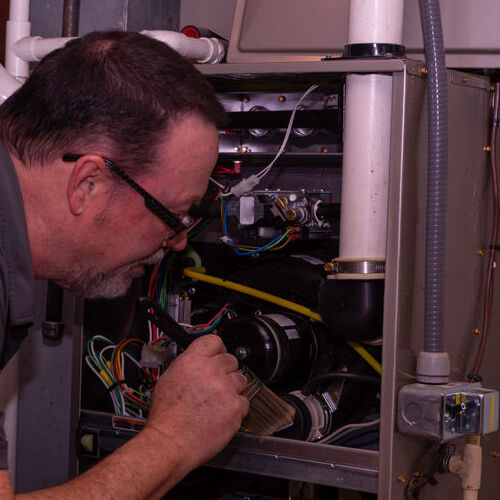
A Technician Checks a Furnace.

Why is my central heater not working?

When the temperatures drop and you switch on your central heater only to find it not heating, it could be caused by a variety of issues. You might wonder, “How do I fix my heater?”

One of the first things to check is your thermostat. Make sure it’s set on heat and it’s on a desired setting. If the heat fails to turn on, you’ll want to check the circuit breaker to make sure it hasn’t tripped by turning it off an on.

You should also make sure the furnace door is completely shut. When the door isn’t completely shut off, a switch inside prevents the heater from coming on. Finally, check your filter. Clean or replace the filter if it’s dirty. Dirty filters can restrict air flow.

After all these tests, if you still have no heat and need professional central heating repair services in Vacaville, CA, you’ll want to call A 100% Guarantee Heating and AC at 707-689-5128.

How do I reset my heater?

If you are having problems getting your heat to come on, before calling A 100% Guarantee Heating and AC, with newer models you may just need to reset the system. Try this to reset your heater:

  • Turn the furnace off at the circuit breaker.
  • Leave the system off for about 10 seconds.
  • Switch the breaker back on and then look to see if the furnace has power.

For an older furnace, you can try to reset it by following these steps:

  • Check to see if the pilot light is off. If it’s on, you have a bigger problem.
  • If the pilot light is off, turn the thermostat down as a safety measure.
  • Light the pilot light and set the thermostat back to your desired temperature. If the heat comes on, your heater has been reset.

How do you know a thermostat is bad?

Your thermostat is one of the first places to look when you’re troubleshooting your central heater. If your thermostat is bad, several problems could occur:

  • If you adjust the temperature and no change occurs or the display isn’t responsive or unlit, the thermostat either needs batteries or is broken.
  • A wiring defect in the thermostat could keep your heating or air from coming on.
  • You might have the opposite problem: A faulty thermostat might cause the heat or air to run continually.
  • If the room temperature and the temperature on the thermostat aren’t matching, you have a problem with the thermostat.

Any of these problems might require central heater repair by qualified professionals.

Why is my house so cold even with the heating on?

A central heater repair may be in order if your home is cold although your heater is on. Uneven temperatures in rooms could mean a problem with the thermostat or possibly a ventilation issue. Leaking ductwork will affect room temperature as it affects airflow and heat delivery. Incorrectly configured ductwork can also cause problems with airflow. You also want to check all vents to make sure they are open and not obstructed. Large pieces of furniture like couches can block airflow and cause the room to stay cold. Check your filter as well. If it’s dirty, airflow could be restricted.

Is no heating an emergency?

You might have a central heater repair emergency if you don’t have any heat. This will all depend on the circumstances. You might have a simple problem with your thermostat: check to make certain it’s turned to heat, especially if this is the first time in the year you’ve used it. If you’re not getting any heat, you can switch the furnace circuit breaker off. If you have a gas furnace, check to make sure the pilot light is on. If troubleshooting efforts fail, you’ll want to get repairs done as quickly as possible, especially when you have young children or seniors in your household whose health can be quickly harmed when there is no heat.

Heater repair parts

All the components in your central heater, from the heat exchanger to the inducer motor have to work in unison for your heater to work perfectly and efficiently. Whenever one part breaks down, it’s likely going to prevent the other parts from working. While you can get parts for central heater repair, unless you’re skilled with HVAC equipment, it’s usually best to get repairs done by professionals like those at A 100% Guarantee Heating and AC. Professionals will make certain the repair is done right so your heating will be restored with no further problems.

A Technician Cleans a Heater.

Central heater repair near me

Don’t stay in the cold for long. When you need prompt response for central heater repair in Vacaville, CA, you can always rely on the team at A 100% Guarantee Heating and AC. We provide a full range of HVAC services at affordable prices. For prompt service, all you need to do is call 707-689-5128.

How Long Should a Central Heat and Air Unit Last?

central heat and air repair

How Long Should a Central Heat and Air Unit Last?

Are you wondering how long a central heat and air unit should last? If so, it is important for you to get all the facts. After all, central heating repair is usually an integral part of homeownership. According to many online resources, after you have had your heating and air unit installed, you can expect at least fifteen to twenty-five years of excellent service. This longevity estimate depends on the type of HVAC system and other contributing factors, such as how often the system was repaired and received maintenance.

Why is My Heat and Air Not Working?

If your central heating and air have stopped working, it will be important for you to review all the reasons why it is not functional. Please review the following steps to take to troubleshoot your heating and air unit.

  • The thermostat. If you haven’t checked the thermostat yet, it is important for you to do so. Check the setting and the power to be sure that it is still operational and that it is set at the right temperature.
  • The circuit breaker. If the thermostat has been properly set, there could be something that short-circuited. Check the circuit breaker for the central heating unit and make sure that the breaker is still working. Turn it on and off in case it has tripped.

If neither of these steps has worked, the next logical step is for you to contact a reputable HVAC company and schedule an appointment for some repairs or an inspection.

Why is My Furnace Running But No Heat?

If your furnace is running but you aren’t on the receiving end of some heat, you will likely want to find some answers immediately. One of the major reasons why your furnace could be malfunctioning is due to the fact that you may have a dirty filter. Dust and dirt have a nasty habit of restricting airflow. If the air filter gets too clogged then the heat exchanger will overheat and shut off. As a result, your home won’t warm up to the temperature set on your thermostat. 

How Do I Balance the Heat in My House?

If you need to balance the heat in your house, it will be important for you to facilitate a way to move forward. Fortunately, there are a number of ways for you to do so. One of the things that you can do is close or open your register. The next thing that you can do is to try a two-degree offset. Check filters for cleanliness. You can also install window coverings to prevent heat loss. You will need to avoid placing electronic equipment near the thermostat because that could be impacting your home. 

How Do You Balance the Heat in a Two Story House?

Due to the fact that heat rises, it will be important for you to balance the heat in your home so that your first story doesn’t get too cold. At a certain point, it will be good for you to check the ductwork, insulation, and seals. A well-insulated house will have a better chance of retaining the indoor temperature regardless of the weather outdoors. As previously stipulated, there is nothing more important than making sure that your filter is clean. Make sure to change it out every several months so that your HVAC unit is in proper working order.

Central Heat and Air Repair Service

The odds are that there are many excellent central heat and air repair companies near your location. You will want to review the credentials of each company so that you get the best technician for your home or property.

Central Heat and Air Repair

A good HVAC repair is practically worth its weight in gold. That is why it is important to get repairs and maintenance scheduled on an annual basis so that your HVAC unit will be in optimum condition.

Central Heat and Air Repair Service Near Me

If you are attempting to locate a company that is near your location, you can utilize Google maps to discover a list of companies that are available in your area. Your internet search engine can do the hard work of locating companies that perform central heat and air repair service.

central heat and air repair

Central Air Repair

Central air repair is important, and when it is necessary, it’s important for you to find the best experts. If your heating and cooling system hasn’t received maintenance for some time, there is no better time than today to schedule an appointment.

If you need central heat and air repair in Vacaville, CA, it’s important for you to have the experts on hand. Please reach out to us today at our phone number, 707-689-5128.

What are the parts of HVAC system?

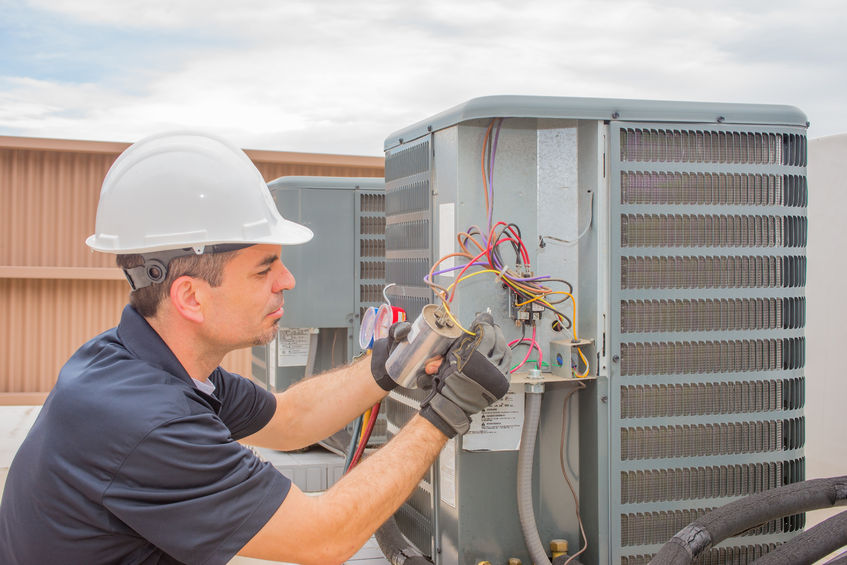
technician working on hvac part

Understanding Your Appliances

There are a lot of HVAC parts to your system, so when your air conditioning or heating quits working, and you have to call for HVAC service. After the technician has checked the exterior component and the interior component if they tell you there HVAC parts that need replacing, do you know what they are saying? 

As a homeowner, you don’t have to know how to work on your HVAC system, but you need to know the basics, including the HVAC parts. The first basic you need to know is how to change the air filter each month. The other basic thing you should know is how to vacuum the coils. So, by having some idea about HVAC parts and more so that when you have a service call, you can ask questions and understand the answers. 

What are the four major components of an air conditioning system?

It is a compound chemical refrigerant found inside air conditioning systems that change from liquid to vapor and return to liquid. For this chemical to cool your home through the HVAC system, it needs the following four HVAC parts from this HVAC parts list: 

  • A Compressor
    • The heart of the system, the one part that is a must for the HVAC parts to work is the compressor. Like the human heart is pumping blood, the compressor is pumping this refrigerant compound at a precise rate and pressure through several other HVAC parts and systems. At this point, the refrigerant is in vapor form it is sucked into the compressor. The refrigerant is then compressed as it is pumped through, raising the temperature at an extremely hot temperature. 
  • A Condenser
    • The refrigerant, while at a high temperature from the compressor, proceeds to the condenser coil where a fan blows air over it to cool it down. It is then liquefied. The refrigerant vapor, at high temperature, enters the unit as the heat energy in the vapor is removed by blowing air across the condenser coil. While this is happening, the vapor changes to a liquid, and that heat that will blow from the condensing unit heat your home. 
  • A Metering Device
    • The liquid refrigerant flow is controlled by a metering device as it goes into the evaporator. This is area is where the high pressure and low pressure are divided, and the high-pressure liquid is passed through this component to the evaporator where the pressure drops.
  • An Evaporator
    • The refrigerant leaves the metering device and immediately enters the evaporator where a fan blows across the refrigerant. At a lower pressure, the refrigerant enters the coil and begins to boil the return to a vapor state, and the heat is removed from the air as it passes over the coil and the refrigerant absorbs it. Now, instead of blowing heat, it is blowing cold air that cools your home when the HVAC system is set on air. 
hvac parts and system

What is the most expensive part of an air conditioner?

An HVAC with parts that make it work to cool and heat are particularly important to the entire process. There isn’t one that isn’t as important as the rest. So, if an HVAC technician were tell you that a certain part needs replacing, none of the HVAC parts we mentioned above can work properly with the others. 

What is the most expensive part of an air conditioner?

An HVAC with parts that make it work to cool and heat are particularly important to the entire process. There isn’t one that isn’t as important as the rest. So, if an HVAC technician were tell you that a certain part needs replacing, none of the HVAC parts we mentioned above can work properly with the others. 

As you can tell from the HVAC parts description that we listed, an air conditioner is a complex unit with many different mechanisms. If one isn’t working in harmony with the others, the refreshing air, cold or warm, isn’t going to happen. Of all the many parts, the most expensive of all HVAC parts is the compressor. 

How do I know if my air conditioner compressor is broken?

We have explained that of all the HVAC with parts that are required for your air conditioner to work, the AC compressor is most important. This is the HVAC part that pressurizes the refrigerant and keeps it flowing so that the other HVAC parts can function adequately, cycling on and off in a continuous manner. 

Some slight issues can tell you the compressor is struggling and may need replacing soon. 

  • CHATTERING or TICKING sound
    • This sound is similar to a gas burner when you turn it on and is indicating that the AC compressor is stressed and struggling. When you hear this sound, turn the unit completely off and contact your HVAC technician. 
  • CLICKING or Rumbling sound
    • When you turn on the air conditioning and hear a clicking or rumbling sound, the motor mounts of the compressor have loosened and allowed the motor to bounce inside its casing, which is one of the HVAC parts that is repairable by a professional HVAC technician.  
  • LEAKS or PUDDLES 
    • If are leaks around the air conditioning system or you hear a hissing sound coming from the system, it could be a refrigerant leak that needs immediate attention by a professional. Leaking refrigerant is a health risk, causing coughs, eye irritation, headaches, and nausea. When left unaddressed, the other HVAC parts in the entire air conditioning system will completely freeze up. It isn’t getting the chemicals needed to create the cold air. 
  • SHORT CYCLING OR IRREGULAR TEMPERATURES
    • If your air conditioning compressor turns off before the house is cooled, that s short cycling and means the compressor is turning off too early. There are several reasons an air conditioner will do this, with one being clogged or dirty air filters, a malfunctioning thermostat, or the HVAC system you have isn’t large enough for your house. A professional inspection will determine which of these it could be, and they will check the within the system to make sure they are in good working order. 

What is the difference between HVAC HVAC parts and AC?

The air conditioning industry refers to HVAC, the acronym for heating, ventilation, and air conditioning. AC is the acronym for air conditioning and may refer to window units or a central system that is air condition only. 

technician working on hvac parts

Closing Question – A Worthwhile Question

Is it worth replacing compressor on AC unit?

Even with routine cleaning and inspections, an HVAC system will quit working sometime between 10 to 15 years. It may experience any of the HVAC parts going out one at a time, and you can replace them with quality HVAC parts, but at some point, you have to decide if replacing the unit is the cheaper route in the long run. When it is the air compressor, you may want to replace it once, but a second time, especially if you have had other HVAC parts replaced, a new HVAC system is the better option. 


It Was a Pleasure Serving You!


×